Conscious Sedation Dentistry in Westminster, CO
Conscious sedation treatments are designed to help a patient relax and feel comfortable throughout their visit.
Conscious sedation techniques can help anxious patients get the treatment they need without having to feel overly worried or concerned about the procedure. Not all types of conscious sedation are suitable for all patients, so it’s important to discuss this with Dr. Jorge Rojas during the initial assessment appointment at Monarch Family Dental of Westminster.
What Is Conscious Sedation in Dental Care?
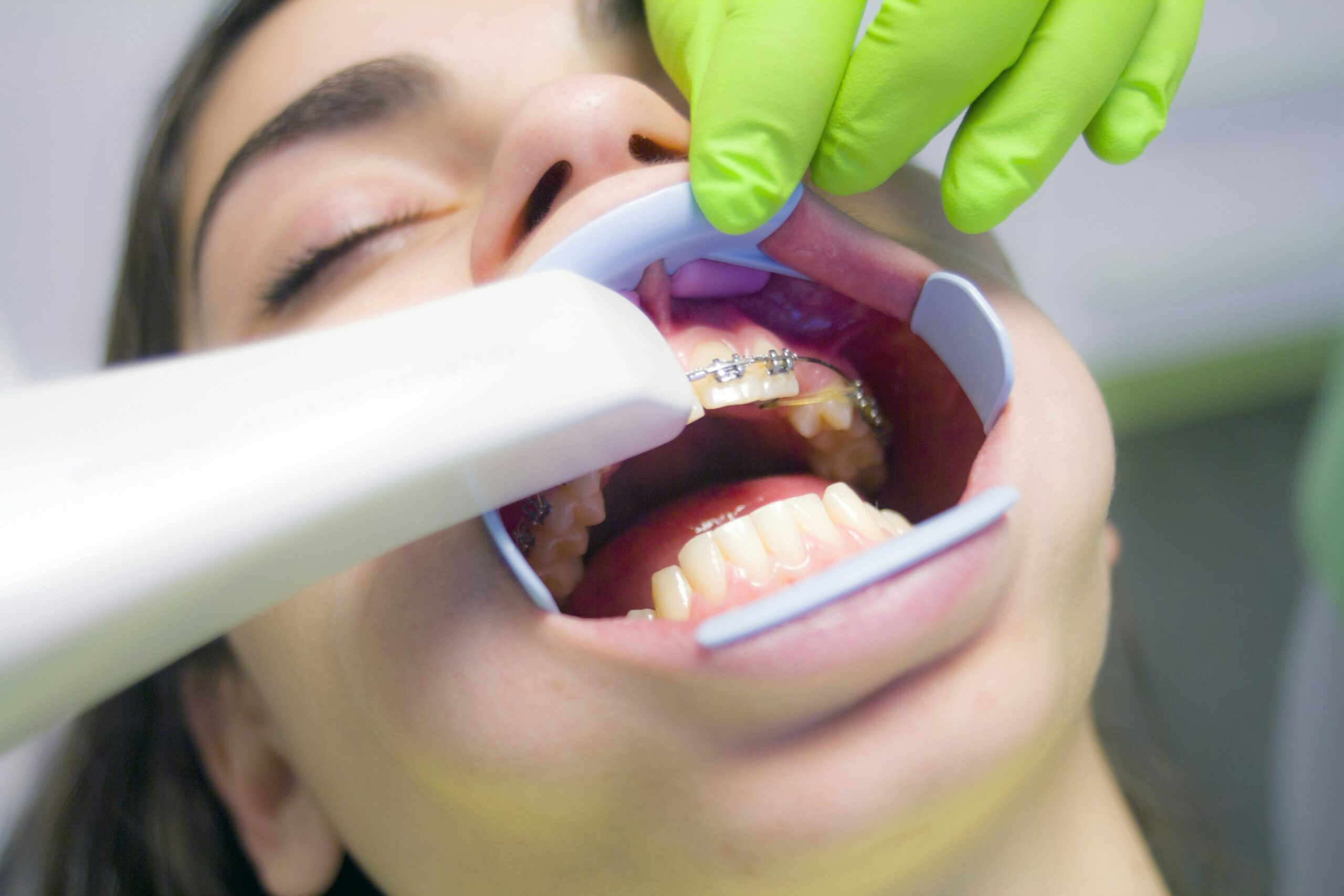
By definition, conscious sedation is a way to relieve dental anxiety with a sedative. When administered, a patient will remain conscious but will become far less aware of what is happening. In some cases, they may have no memory of the procedure.
In dental care, conscious sedation is commonly used for patients with dental anxiety, those undergoing longer or more complex dental procedures, or individuals who struggle to get comfortable in the dental chair. Local anesthesia is still used to numb the teeth and gums, while sedation helps calm the central nervous system.
This approach is sometimes referred to as conscious anesthesia, dental conscious sedation, or moderate sedation in dentistry.
What Does Conscious Sedation Feel Like?
While every patient’s experience is slightly different, most describe a sense of deep relaxation and calm.
During conscious sedation, you may feel drowsy, heavy, or detached from what’s happening around you. Anxiety fades, your body feels relaxed, and time often seems to pass quickly. Some patients remember parts of the procedure, while others have little or no memory at all. Even though you remain awake, many people say it feels similar to drifting in and out of sleep.
For patients wondering whether conscious sedation is scary, the answer is usually no—most find the experience surprisingly comfortable. Dentists’ goal is to help you feel safe, relaxed, and supported so your dental treatment becomes something you can finally approach with confidence.
Are You Awake During Conscious Sedation Dentistry?
Yes.
Many patients stay awake, while others may fall asleep during the procedure. While you are not fully asleep, it is common to feel drowsy or drift in and out of light sleep. Some patients remember parts of the visit, while others experience partial or complete amnesia. This effect helps reduce fear, discomfort, and awareness of time passing.
If you’re concerned about pain, conscious sedation is used alongside local anesthesia to numb the teeth and gums. This combination allows dental procedures to be completed comfortably while keeping you safe and responsive.
How Does Conscious Sedation Work During Dental Procedures?
Conscious sedation works by using short-acting sedative medications that calm the central nervous system and reduce anxiety.
What to expect with conscious sedation:
- Depending on the form of conscious sedation used, the medication may be taken orally (small pill) or administered through an IV line
- Once the medication takes effect, most patients feel deeply relaxed within minutes, while still being able to respond if needed
- During your procedure, your dental team monitors your breathing, heart rate, blood pressure, and oxygen levels to ensure your safety at all times
- The sedative is designed to wear off gradually after your treatment, so recovery is usually smooth and predictable
Because conscious sedation has a short duration, recovery is usually quick. However, patients will need a responsible adult to drive them home, as it is not safe to drive immediately after sedation dentistry.
Types of Conscious Sedation Used in Dentistry
There are many options that can help with the management of pain when you receive treatment at Monarch Family Dental of Westminster. Here are some of the most common options we use based on your anxiety level and medical history:
Nitrous Oxide
Nitrous oxide provides minimal sedation and is often used for mild anxiety. While it is lighter than oral or IV conscious sedation, it can still help patients feel relaxed and comfortable during treatment.
Many patients report a sense of feeling floaty and light, and the recovery is quick. There aren’t any side effects of this sedation, and it is particularly effective for those with a mild to moderate level of dental anxiety.
The Benefits of Nitrous Oxide
- It works quickly.
- It is safe.
- It will help you feel relaxed.
- The effect wears off quickly.
- You will remain conscious and responsive throughout.
Oral Conscious Sedation
Taken as a pill (or liquid form) before your dental appointment, oral conscious sedation helps patients feel calm and relaxed while remaining awake. It is commonly used for moderate pain or dental anxiety and longer procedures.
The medication is dispensed at our office so patients can be monitored throughout treatment.
- Patients typically start to feel the effects within 45 minutes.
- It produces a feeling of deep relaxation while still giving you the ability to cooperate and respond.
- It is recommended that you rest for a period of 24 hours following the procedure so that the sedation can fully wear off.
IV Conscious Sedation
IV conscious sedation stands for intravenous sedation, and it is a specific type of conscious sedation medication that is injected directly into the bloodstream for quick-acting relaxation and calming effect. This option is ideal for patients with severe dental anxiety or those undergoing complex dental procedures.
- It is important to organize a ride home from the dental office after your treatment, as it will be unsafe for you to drive until the sedation has completely worn off.
- IV sedation is very safe, but our team will still monitor you throughout treatment to prevent any potential complications.
- We recommend having a friend or family member to keep watch on you for several hours after your treatment while the medication wears off.
Local Anesthesia
This is typically delivered via an injection in the gums. It will gently numb the area that is being treated, and it takes a mere matter of minutes to work. Some dentists will use this in isolation or in tandem with another conscious sedation option listed above.
Your dentist will review your health history and discuss sedation options with you to determine the safest and most effective conscious sedation for your needs. Our goal is to help you receive dental care comfortably while protecting your oral health.
Is Conscious Sedation Dentistry Safe?
Yes. According to the American Dental Association (ADA), conscious (moderate) sedation is a well-studied technique used to help patients remain relaxed and responsive while maintaining independent breathing and protective reflexes (ADA, Guidelines for the Use of Sedation and General Anesthesia by Dentists).
Before any conscious sedation appointment, a comprehensive medical screening is performed. This includes a review of your medical history, current medications, allergies, and any conditions that could affect sedation safety. This step aligns with recommendations from both the ADA and the American Society of Anesthesiologists (ASA), which emphasize patient assessment as the foundation of safe sedation care (ASA Practice Guidelines, 2018).
ASA also outlines clear safety recommendations for conscious sedation, including:
- Careful patient evaluation and preparation before sedation, including reviewing medical history, medications, and overall health.
- Continuous breathing monitoring using advanced tools (such as capnography) alongside standard monitoring like pulse oximetry and visual observation.
- A trained professional present at all times who can recognize and manage breathing or airway concerns if they arise.
- Use of appropriate sedation medications, such as benzodiazepines or dexmedetomidine, which are commonly used for conscious (moderate) sedation.
- Strict controls when deeper sedatives are used, including medications sometimes associated with general anesthesia, such as propofol or ketamine, to ensure patient safety.
- Dedicated recovery care, so patients are closely observed until sedation effects wear off safely.
- Ongoing quality and safety reviews, ensuring sedation protocols are regularly evaluated and improved over time.
Following the above instructions, Monarch Family Dental also maintains emergency medications and equipment on site, as required by ADA sedation standards, although the need to use them is extremely rare in dental conscious sedation cases.
Our priority is to provide sedation for your needs in a way that protects your overall health, supports your oral health, and keeps you relaxed and comfortable, ensuring your teeth and gums have been take care of well.
How Monarch Family Dental Can Help You with Sedatives for Dental Treatments in Westminster, CO
We proudly provide different level of sedation for dental care in Westminster, CO, helping patients feel relaxed and comfortable during their treatment. Our team has experience administering conscious sedation and follows strict safety protocols to protect your health and well-being.
Patient comfort is at the center of everything we do. Each sedation plan is personalized based on your level of anxiety, medical history, and the type of procedure that will be performed.
If you’re looking for a trusted conscious sedation dentist in Westminster or surrounding areas, we are here to help you receive the care you need.
Financing for Affordable Sedation Dentistry
If you’re looking for financing, our office works with most major PPO dental insurance plans, and our team is happy to help you understand your benefits and estimated out-of-pocket costs before treatment begins.
For patients without insurance or those seeking additional flexibility, we offer in-office financing options designed to fit a variety of budgets. These payment solutions allow you to receive the care you need now while paying overtime.
We also offer a Dental Wellness Plan, which provides discounted rates on dental services for members. Importantly, IV sedation is included in the plan’s sedation discounts, helping reduce the cost of advanced comfort options for qualifying patients.
Schedule Your Free Conscious Sedation Consultation
If dental anxiety has been holding you back, you don’t have to face it alone. We invite you to schedule a free conscious sedation consultation to discuss your concerns, treatment options, and comfort needs without pressure or obligation.
During your consultation, we’ll review your medical history, explain how conscious sedation works, and help you decide whether it’s the right solution for you.
Taking the first step is simple. Call our office or book your consultation online today, and let us help you experience dental care in a calm, relaxed, and supportive environment.
Frequently Asked Questions
What will conscious sedation feel like?
Every patient will experience slight differences when using conscious sedation. Typically, you can expect to feel relaxed and slightly drowsy. Once the conscious sedation starts to take effect, any stress, negative feelings and anxiety will start to subside. Some patients will fall asleep, but still be awake enough to respond to commands.
It could also be accompanied by a feeling of sluggishness or heaviness, and it might be harder to move or lift your limbs. Some people will respond slower to any questions or stimulus, and others might even start to laugh or smile without reason. This was indeed what gave it the nickname of laughing gas many years ago when it was first used.
Are there any potential side effects of conscious sedation?
Typically, side effects only last for a couple of hours, and they include drowsiness, slower reflexes, memory loss of what occurred during the procedure, headache, nausea or lower blood pressure.
How quickly do you recover from conscious sedation?
Recovering from conscious sedation is usually quick, but you will still need to arrange for someone else to drive you home following the procedure.
You will be asked to take the full day off work and to not undertake any physical activities until all of the side effects have completely worn off.
If you would like to speak with our team at Monarch Family Dental about whether or not conscious sedation is right for you, please contact us today for a discussion about your individual needs.
Our dentist will provide you with detailed instructions on what to expect before your appointment. We invite you to give our dental office a call today for more information and to schedule a consultation with us. Our experienced team is ready to answer any of your questions and provide you with the best dental care possible.
How long does conscious sedation last?
The duration of conscious sedation varies by type, with nitrous oxide wearing off in minutes, oral sedation effects lasting a few hours (2-6 hrs), and IV sedation potentially lingering for several hours, with full recovery taking up to 24 hours, requiring a responsible adult to drive you home and monitor you for the entire day.
Can you drive after conscious sedation?
No. You should not drive on the same day after receiving sedative medication.
Even though conscious sedation is considered a light form of sedation, it can still affect coordination, judgment, and reaction time. Medications commonly used for conscious sedation, such as midazolam, may cause lingering drowsiness or slowed reflexes—even if you feel awake or “mostly normal.”
For your safety and the safety of others, driving is not permitted after conscious sedation dentistry. You’ll need to arrange for a responsible adult to drive you home after your appointment.
Conscious Sedation vs General Anesthesia
With conscious sedation dentistry, you remain awake but deeply relaxed. You can respond to verbal cues, breathe on your own, and recover more quickly after the procedure. This makes conscious sedation a practical option for most dental treatments performed in a dental office.
General anesthesia, on the other hand, renders a patient fully unconscious and is typically administered in a hospital or surgical setting. It requires advanced airway management and carries higher risks, which is why it is rarely used for routine dental procedures.
PATIENT REVIEWS

HOURS
| Monday | 7:00am – 6:30pm |
| Tuesday | 7:00am – 6:30pm |
| Wednesday | 7:00am – 6:30pm |
| Thursday | 7:00am – 6:30pm |
| Friday | 7:00am – 5:00pm |
| Saturday | Closed |
| Sunday | Closed |